Services Audiology Hearing Aids Speech Therapy Blog About Contact 📞 Book Appointment
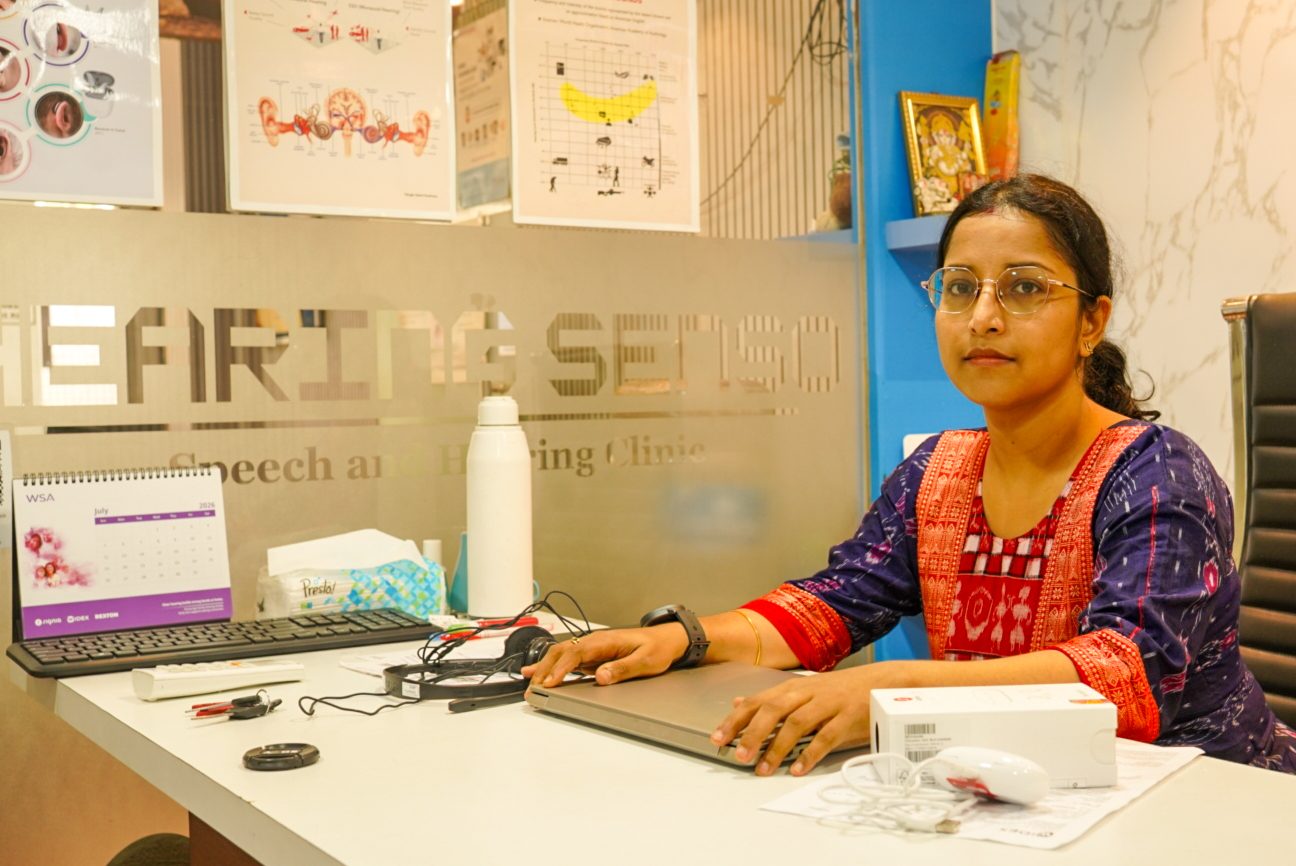
Patient receiving hearing care
Trusted Hearing Care

Hear Better.
Live Better.

Expert audiology care and the latest hearing aids — personalised for your lifestyle. Start your journey to better hearing today.
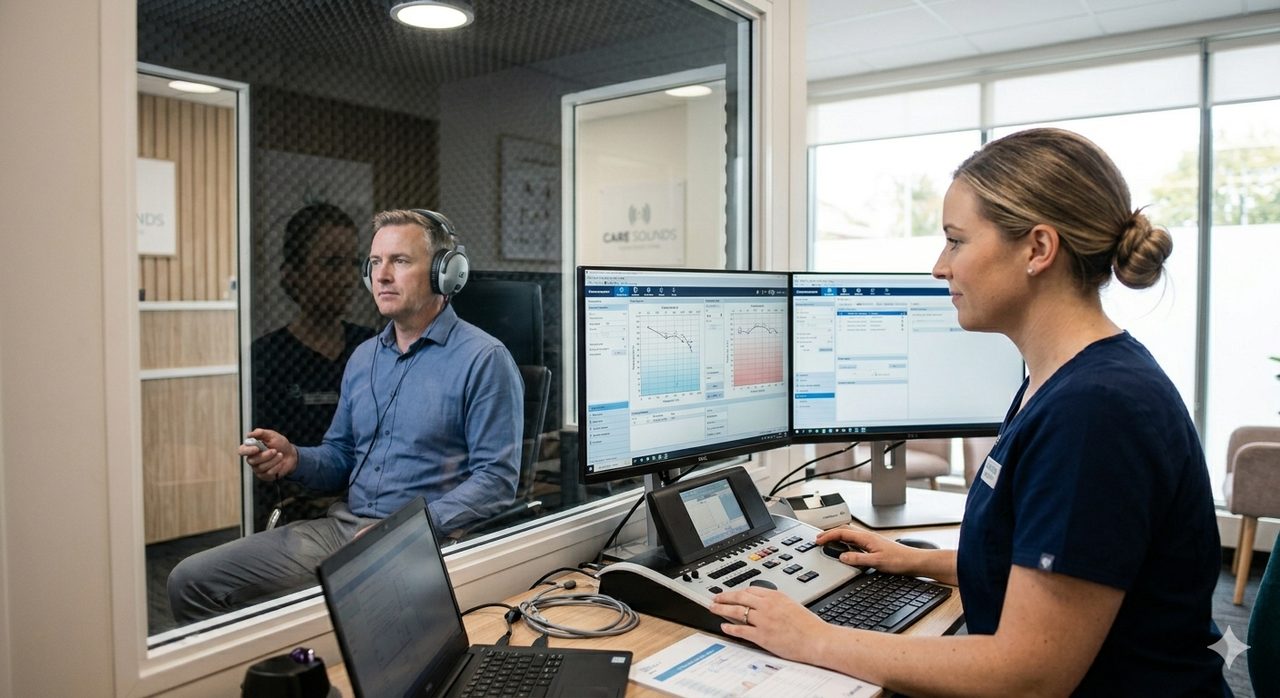
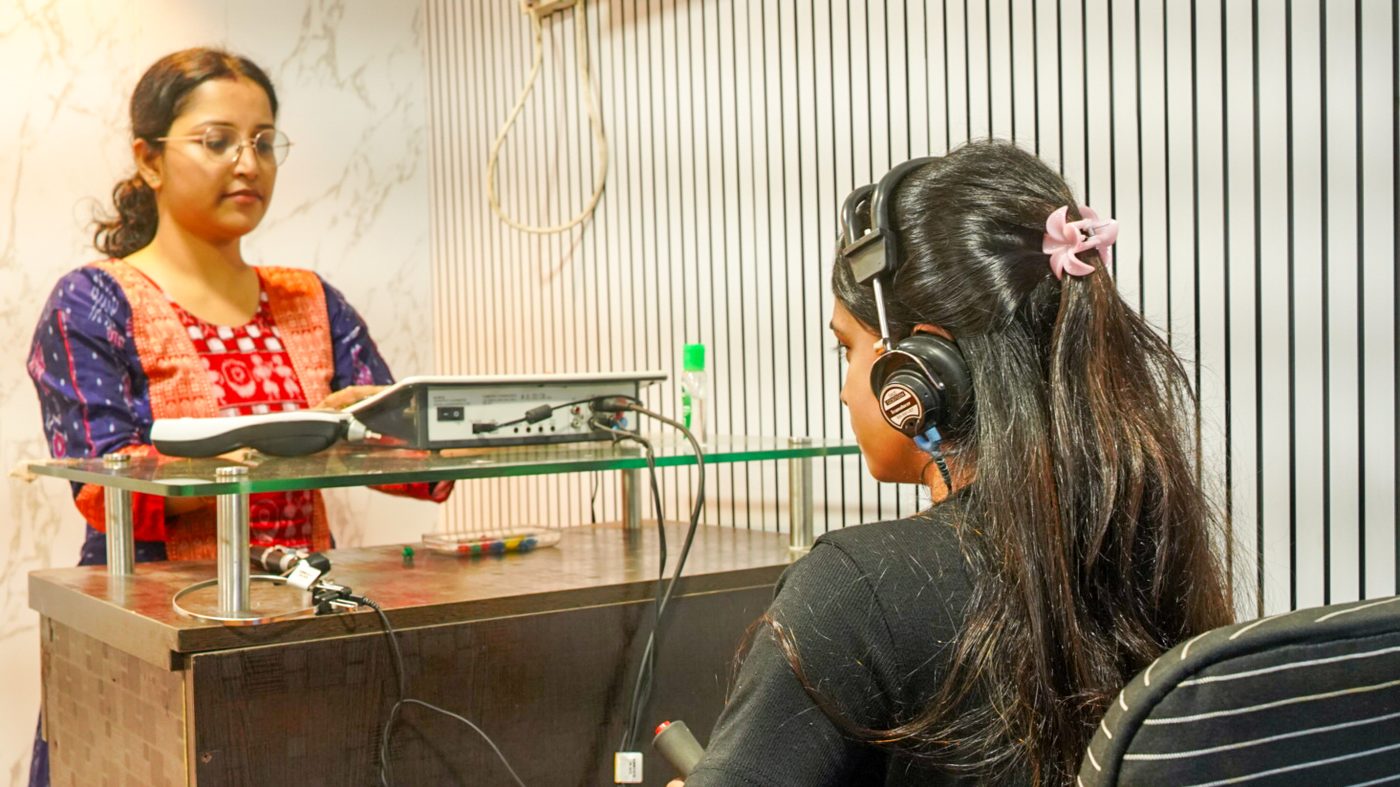
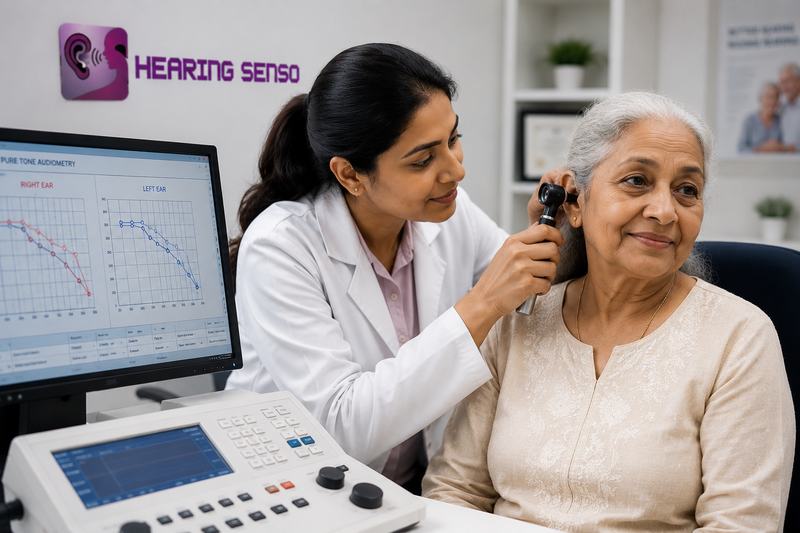
Audiometry testing
Advanced Diagnostics

Precise Diagnosis.
Better Outcomes.

State-of-the-art testing — PTA, Tympanometry and more. Accurate results for patients of all ages.
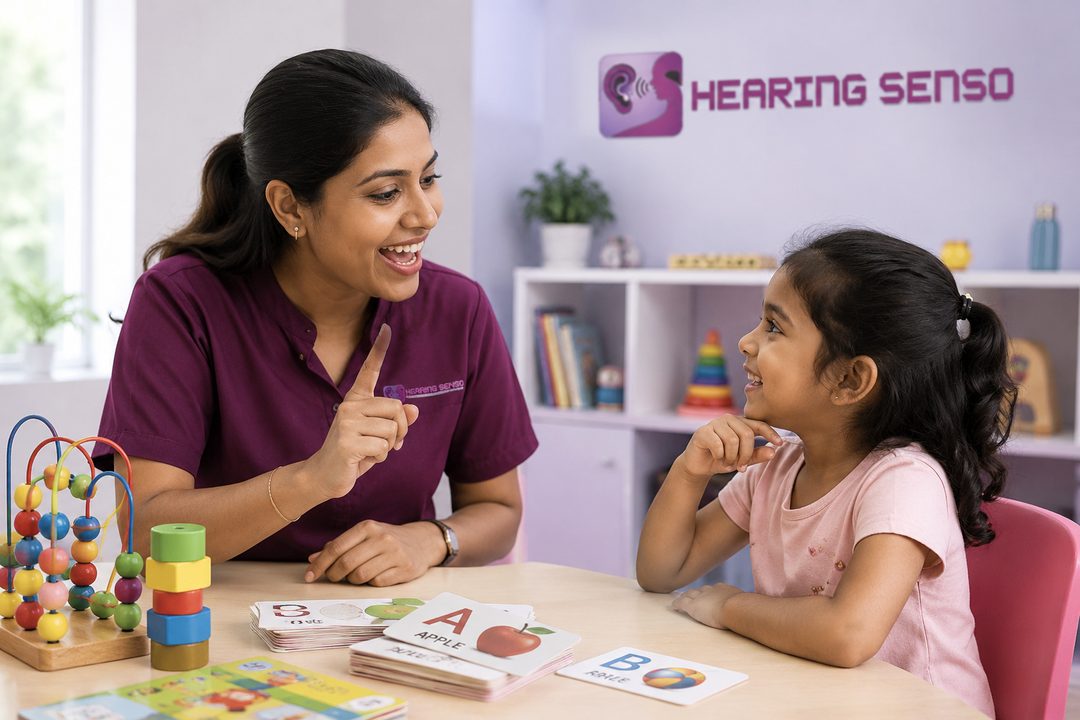
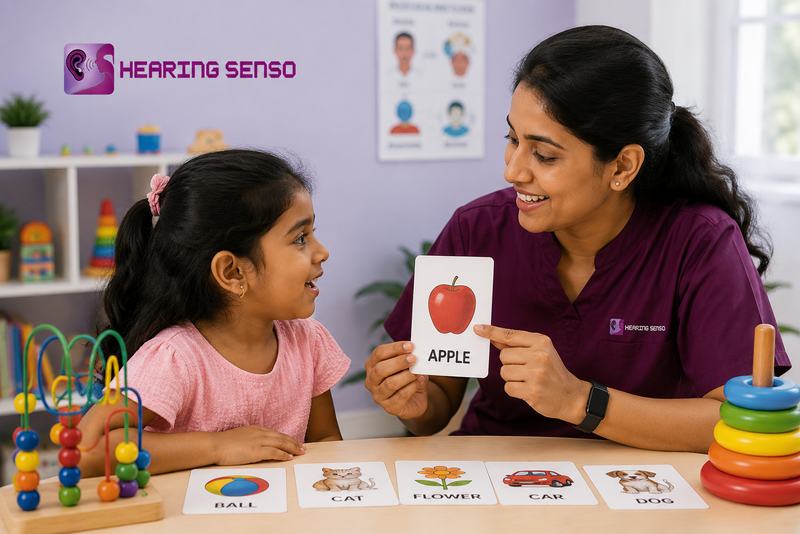
Speech therapy
Speech Therapy

Find Your Voice.
Express Yourself.

Personalised speech and language therapy for children and adults — working with you, your family, and your teachers.
ISHA Certified Audiologist
6+ Premium Hearing Aid Brands
10,000+ Patients Helped
What We Offer

Complete Hearing & Speech Care

From diagnosis to therapy to the latest hearing technology — everything your family needs under one roof.

Audiology & Diagnostics

Comprehensive hearing evaluations — PTA, Tympanometry, and more for all ages.

Learn more →

Hearing Aids

Trial, fitting and follow-up support for premium aids from Phonak, Signia, Starkey & Widex.

Explore options →

Speech Therapy

Evidence-based therapy for articulation, language delay, stuttering, autism communication, and voice disorders.

Learn more →

Specialised Services

Tinnitus management, industrial audiometry, school screenings, hearing aid batteries and servicing.

See all →
Audiologist performing hearing test
Accurate Diagnosis First
Audiology Services

Advanced Hearing Diagnostics & Testing

Our audiologist uses state-of-the-art equipment to accurately diagnose hearing disorders for patients of all ages — from newborns to the elderly.

  • Pure Tone Audiometry (PTA)Gold-standard test measuring hearing sensitivity across all frequencies
  • TympanometryMiddle ear function — detects fluid, perforations, Eustachian tube issues
  • Speech AudiometryEvaluates your ability to hear and understand spoken words
  • SISI (Short Increment Sensitivity Index)Differentiates between cochlear and retrocochlear hearing disorders
  • TDT (Tone Decay Test)Detects auditory nerve fatigue — key for identifying retrocochlear pathology
Book a Hearing Test
Hearing Aids

Find the Perfect Hearing Aid for Your Lifestyle

Free trial before you decide. Our audiologist guides you to the right fit — for your hearing loss, budget and lifestyle.

Authorised Dealer For

Phonak
Authorised Partner
Authorised Partner
Authorised Partner
Widex
Authorised Partner

Available Hearing Aid Styles

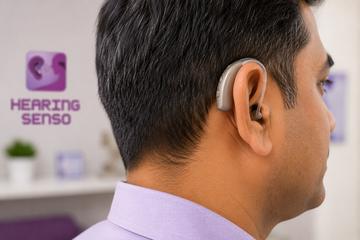
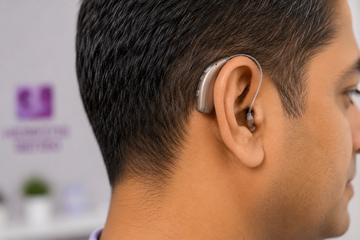
BTE

Behind-the-Ear (BTE)

Worn behind the ear, sound delivered via thin tube or earmold. Durable and easy to handle — suitable for all degrees of hearing loss and all ages

Learn more →
RIC

Receiver-in-Canal (RIC)

Ultra-thin wire connects processor behind the ear to a tiny speaker in the canal. Near-invisible with natural, clear sound — mild to severe loss

Learn more →
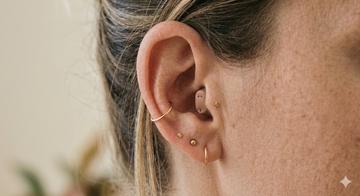
CIC

Completely-in-Canal (CIC)

Custom-moulded to fit entirely inside the ear canal — virtually invisible when worn. Ideal for mild to moderate hearing loss in adults

Learn more →
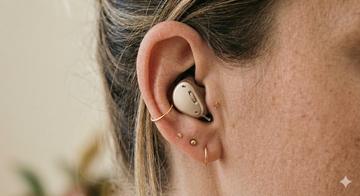
ITC

In-the-Canal (ITC)

Custom-fitted shell sits partially in the ear canal with controls on the faceplate — easier to handle than CIC. Mild to moderately severe loss

Learn more →

Advanced Hearing Aid Technologies

AI Powered

Automatically adapts to your sound environment in real time for effortless hearing

Learn more →
Bluetooth

Stream calls, music and TV audio directly from your phone to your hearing aids

Learn more →
Rechargeable

No battery hassle — charge overnight for a full day of clear, uninterrupted hearing

Learn more →
App Control

Fine-tune volume and programs from your smartphone — discreet, personalised control

Learn more →

Not sure which hearing aid suits you?

Call us for a free consultation. We test your hearing, understand your lifestyle, and recommend the best options — no pressure to buy.

📞 Call for a Free Consultation
Speech Therapy

Expert Speech & Language Therapy

Our speech-language pathologist creates personalised treatment plans — working with patients, families, and teachers for the best outcomes.

Articulation & Phonology

Helping children and adults pronounce sounds correctly and speak more clearly.

Language Delay & Disorder

Assessment and therapy for children slow to speak or with difficulty understanding language.

Stuttering & Fluency

Evidence-based therapy to improve fluency and build confidence in communication.

Voice Disorders

Rehabilitation for hoarseness, vocal strain, or changes in voice quality.

Autism Spectrum — Communication

Targeted therapy for social communication, pragmatic language, and AAC device support.

Hearing-Impaired Children

Auditory-verbal therapy to help hearing-impaired children develop spoken language.

Speech therapist working with child
Specialised Services

More Ways We Can Help

Beyond diagnostics and therapy, we offer a full range of support services.

Tinnitus Management

Assessment and counselling for persistent ringing or buzzing sounds in the ears.

Industrial Audiometry

Workplace hearing screenings for legal compliance and employee health programs.

School Hearing Screenings

Clinic-based or on-site hearing screening camps for schools and organisations.

Hearing Aid Servicing

Cleaning, repairs, and reprogramming for all major hearing aid brands.

Hearing Aid Batteries

All sizes in stock — 312, 13, 10, 675 for all brands. Walk in anytime.

Home Visit (On Request)

For elderly or differently-abled patients who find travelling to the clinic difficult.

10,000+
Patients Helped
10+
Years of Experience
500+
Satisfied Hearing Aid Users
About Us

Dedicated to Better Hearing Since Day One

Hearing Senso is a specialised speech and hearing clinic in Airoli, Navi Mumbai. Founded with a clear mission — to make quality hearing and speech care accessible to every family — we have helped over 10,000 patients rediscover the joy of clear communication.

Our audiologist and speech-language pathologist bring deep clinical expertise with a warm, patient-centred approach. Whether it's a toddler with a speech delay, a teenager needing a hearing test, or a senior exploring hearing aids — every patient receives the same personal care and attention.

🎓 Qualified & Certified

ISHA-affiliated audiologist with formal clinical training and continuous professional development.

🏥 Modern Clinic

Modern audiometric testing setup with the latest diagnostic equipment.

🤝 Patient-First

No rush consultations. Family always involved in the care process.

Visit Our Clinic
Why Hearing Senso

The Hearing Senso Difference

We are not just a hearing aid shop. We are a full-service clinical practice that puts your long-term hearing health first.

Diagnosis Before Solutions

Every recommendation begins with a proper clinical assessment — we never sell before we test.

Free Trial Period

Try any hearing aid in your own environment before committing. No pressure, no rush.

Lifetime Follow-Up

We stay with you after fitting — adjustments, check-ups and support whenever you need us.

Family Involvement

We encourage family members in consultations — better understanding leads to better outcomes.

Rupee

All Budget Ranges

From basic to premium — we carry hearing aids across all price points and help you choose wisely.

Hindi & English

Consultations in both languages — every patient feels comfortable and fully understood.

Patient Stories

What Our Patients Say

Real experiences from patients and families who trusted Hearing Senso with their hearing health.

★★★★★

"The audiologist explained everything patiently. My mother had been hesitant about hearing aids for years, but after the free trial she couldn't believe the difference. Truly life-changing."

R
Rahul Sharma
Patient's family member, Airoli
★★★★★

"My son received speech therapy here for 6 months. The improvement is remarkable — his teachers have noticed a huge difference. The therapist is wonderful with children."

P
Priya Nair
Parent, Vashi
★★★★★

"Very professional and thorough. Complete hearing evaluation and fitted me with a Phonak aid. The follow-up support has been excellent. Highly recommend to anyone in Navi Mumbai."

S
Suresh Patil
Patient, Ghansoli
Our Blog

Hearing Health Insights

Expert articles on hearing care, speech therapy, and living well with hearing loss — written for patients and their families.

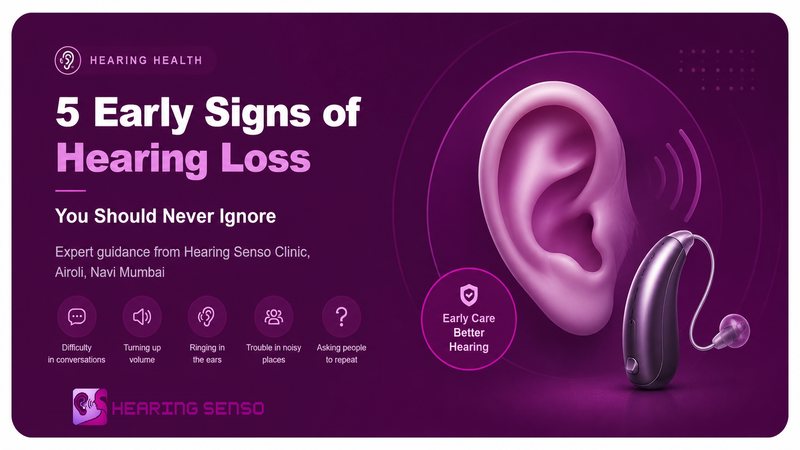
5 Early Signs of Hearing Loss
Hearing Health

5 Early Signs of Hearing Loss You Should Never Ignore

Many people wait years before seeking help. Learn the early warning signs that could make all the difference.

May 2025·4 min read
Read More →
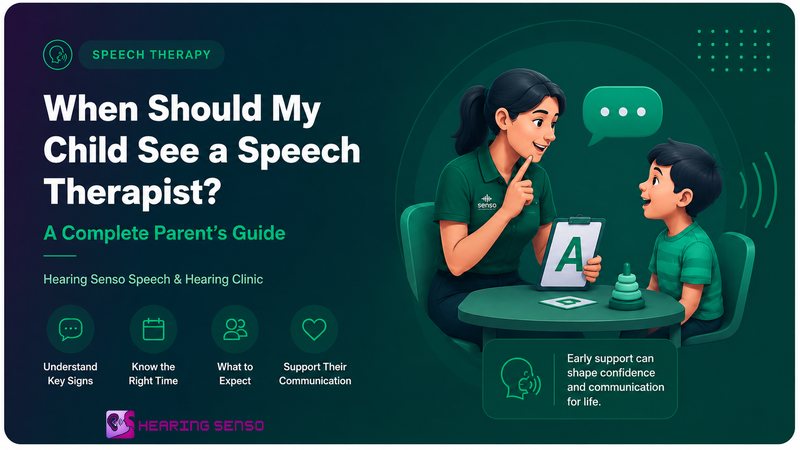
When Should My Child See a Speech Therapist
Speech Therapy

When Should My Child See a Speech Therapist? A Parent's Guide

Speech milestones vary, but there are key ages and signs indicating your child may benefit from professional support.

April 2025·4 min read
Read More →
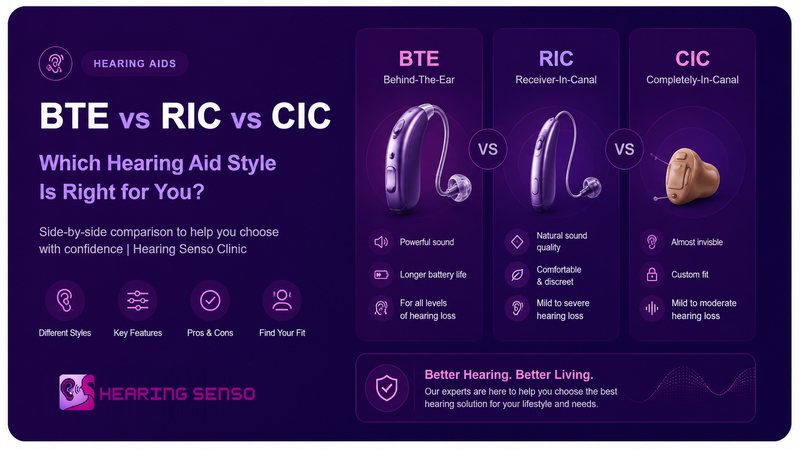
BTE vs RIC vs CIC Hearing Aid Comparison
Hearing Aids

BTE vs RIC vs CIC: Which Hearing Aid Style Is Right for You?

Not all hearing aids are the same. Understand the key differences and find the one that suits your lifestyle.

March 2025·5 min read
Read More →
View All Articles
Book Appointment

Ready to Take the First Step
Towards Better Hearing?

Call us to schedule your appointment. Walk-ins welcome during clinic hours.

Primary Number+91 98670 72646 Email Usinfo@hearingsenso.com
💬 Chat on WhatsApp
Find Us

Visit Us in Airoli

Clinic Address

Shop No. 14, Ajanta Empress, Near Shreeji Super Market,
Sector 19, Airoli, Navi Mumbai — 400708

Clinic Hours

Monday – Saturday: 11:00 AM – 9:00 PM
Sunday: Closed

Behind-the-Ear (BTE)

The most widely used hearing aid style worldwide. Worn comfortably behind the ear, sound is delivered through a slim tube or custom earmold. Trusted by all ages for its durability, power, and ease of use.

All AgesAll Loss LevelsEasy to HandleMost Durable

Who is it best for?

  • Children and first-time hearing aid users
  • Elderly patients who need easy handling and manual controls
  • People with severe to profound hearing loss
  • Those with chronic ear infections or drainage (open-fit BTE)
  • Anyone requiring frequent battery changes or maintenance

Key Advantages

  • Works for all degrees of hearing loss - mild to profound
  • Larger battery = longer battery life (up to 2 weeks)
  • Easy to insert, clean, and maintain
  • Accommodates directional microphones and telecoil
  • Separate earmold can be remade without replacing the aid
  • Available in many colours; can be nearly invisible with slim-tube design
Fit Style
Behind the ear
Loss Range
Mild – Profound
Battery Size
#675, #13, or #312
Battery Life
10–20 days (disposable)
Rechargeable
Many models available
Best For
All ages

Frequently Asked Questions

Is a BTE hearing aid noticeable?
Modern slim-tube BTE (also called RIE or RITE) designs sit very discreetly behind the ear. Colour options match skin and hair tones. They are much less visible than older generation BTE aids.
Can children wear BTE hearing aids?
Yes - BTE is the preferred style for children because the aid sits safely behind the ear and only the earmold (which sits inside the ear) needs to be replaced as the child grows, keeping costs low.
How long does a BTE battery last?
A standard size-13 battery lasts 10–14 days with moderate use. Rechargeable BTE models offer a full day on a single overnight charge.
Can I wear a BTE aid with glasses?
Yes. Many patients wear both comfortably. Our audiologist will advise on the best fitting to ensure the hearing aid and glasses arm do not clash behind the ear.
How do I clean a BTE hearing aid?
Wipe the outer casing daily with a dry cloth. Clean the earmold weekly with a damp cloth (never immerse). Use the wax pick to clear the sound outlet. Bring it to our clinic monthly for a professional clean.

Ready to try Behind-the-Ear?

Book a free consultation at Hearing Senso - our audiologists will find the perfect fit for your hearing needs and lifestyle.

📞 Book Free Consultation

Receiver-in-Canal (RIC)

The most popular hearing aid style globally - and for good reason. An ultra-thin wire connects a tiny processor behind the ear to a miniature speaker (receiver) placed directly in the ear canal. Delivers natural, clear sound with a nearly invisible look.

Near InvisibleNatural SoundMild – Severe LossMost Popular

Who is it best for?

  • Adults with mild to severe hearing loss who value discretion
  • Active lifestyles - lightweight and comfortable for all-day wear
  • First-time users wanting a modern, stylish design
  • People who want Bluetooth streaming from phones and TVs
  • Those who prefer rechargeable batteries

Key Advantages

  • Ultra-discreet - the behind-ear component is very small
  • Open-fit dome avoids the "plugged up" or occlusion sensation
  • Receiver sits in canal - delivers sound closer to eardrum for natural quality
  • Most models offer Bluetooth, app control, and rechargeability
  • Receiver (speaker) can be upgraded without replacing the whole aid
  • Excellent feedback cancellation and speech clarity in noise
Fit Style
Behind ear + receiver in canal
Loss Range
Mild – Severe
Battery Size
#312 or rechargeable
Battery Life
5–7 days (#312) / 24 hrs rechargeable
Rechargeable
Yes, widely available
Best For
Adults, first-time users

Frequently Asked Questions

How is RIC different from BTE?
In a BTE, both the microphone and speaker are housed in the unit behind the ear. In a RIC, the speaker (receiver) is moved into the ear canal via a thin wire - this improves sound quality, reduces feedback, and makes the device smaller.
Will a RIC fit my ear canal?
RIC aids use small silicone domes (open or closed) that fit most adults comfortably. For significant hearing loss, a custom earmold can replace the dome. Our audiologist will find the right dome size during your fitting.
Can I connect a RIC aid to my smartphone?
Most modern RIC aids from brands like Phonak, Starkey, ReSound and Signia offer direct Bluetooth streaming to both iPhone and Android smartphones. You can take calls, stream music, and adjust settings from an app.
Is the receiver wire fragile?
The receiver wire is designed to be flexible and durable. However it is the most common part requiring servicing. We stock replacement receivers in the clinic and can swap them quickly, usually at minimal or no charge within warranty.
Do RIC hearing aids whistle?
Modern RIC aids have very effective feedback cancellation. Whistling (feedback) is rare and usually happens only if the dome does not fit properly - which our audiologist corrects during fitting.

Ready to try Receiver-in-Canal?

Book a free consultation at Hearing Senso - our audiologists will find the perfect fit for your hearing needs and lifestyle.

📞 Book Free Consultation
CIC Completely-in-Canal hearing aid

Completely-in-Canal (CIC)

Custom-moulded to fit entirely within the ear canal, CIC hearing aids are virtually invisible when worn. A tiny pull-string is the only visible part. Ideal for adults who prioritise discretion above all else.

Virtually InvisibleCustom MouldedMild – Moderate LossCosmetically Discreet

Who is it best for?

  • Adults with mild to moderate hearing loss
  • Professionals who want maximum discretion at work
  • People with dexterity and handling ability for small devices
  • Those who wear headsets, helmets, or over-ear headphones regularly
  • Patients with ear canals large enough to accommodate the aid

Key Advantages

  • Most cosmetically discreet custom hearing aid style
  • Fits entirely in the canal - no visible components
  • Natural pinna effect: the outer ear still captures sound directionally
  • Works well under helmets, headsets, glasses, and phone calls
  • Less wind noise pickup compared to BTE styles
  • Custom shell ensures a secure, comfortable fit
Fit Style
Completely in ear canal
Loss Range
Mild – Moderate
Battery Size
#10 (smallest)
Battery Life
3–7 days
Rechargeable
Limited models
Best For
Adults with smaller loss

Frequently Asked Questions

How invisible is a CIC hearing aid?
When fitted correctly, the CIC sits entirely within the ear canal. Only a tiny translucent pull-string is visible at the canal opening. To most observers, it is completely invisible.
Are CIC aids suitable for severe hearing loss?
CIC aids are optimised for mild to moderate hearing loss. The small size limits the amplification power and battery capacity. For moderate-severe or severe loss, we typically recommend RIC or BTE styles which offer greater power.
How do I insert and remove a CIC?
A tiny nylon pull-string attached to the faceplate is used to remove the aid. Our audiologist will train you during the fitting session and provide practice time before you leave the clinic.
Do CIC aids get blocked by earwax?
Because CIC aids sit close to the eardrum, earwax management is important. They include a wax guard that needs monthly replacement. We recommend 6-monthly check-ups at the clinic to clean the aid and check the wax guard.
Can a CIC aid have Bluetooth?
Most CIC aids currently do not support direct Bluetooth due to size constraints. However, some premium CIC models offer Near-Field Magnetic Induction (NFMI) that works with a streamer or app. Ask our audiologist about specific models.

Ready to try Completely-in-Canal?

Book a free consultation at Hearing Senso - our audiologists will find the perfect fit for your hearing needs and lifestyle.

📞 Book Free Consultation
ITC In-the-Canal hearing aid

In-the-Canal (ITC)

Custom-fitted to sit partially in the ear canal with a small faceplate visible at the canal opening. Larger than CIC - easier to handle and adjust, with room for more features. A popular balance between discretion and functionality.

DiscreetCustom FittedMild – Mod-Severe LossEasy Controls

Who is it best for?

  • Adults with mild to moderately severe hearing loss
  • Those who want discretion but find CIC too small to handle
  • Patients who want manual volume or programme controls on the aid
  • People comfortable with in-ear devices who want some features
  • Adults with good ear canal size for a custom shell

Key Advantages

  • Larger than CIC - easier to insert, remove, and adjust
  • Small faceplate accommodates volume wheel or push button
  • Custom moulded for a comfortable, secure fit
  • Better battery capacity than CIC - longer battery life
  • Some models support directional microphones for better speech in noise
  • Suitable for a wider range of hearing loss than CIC
Fit Style
Partially in ear canal
Loss Range
Mild – Mod-Severe
Battery Size
#312 or #10
Battery Life
5–10 days
Rechargeable
Select models
Best For
Adults wanting balance

Frequently Asked Questions

What is the difference between ITC and CIC?
ITC sits partially in the ear canal with a small visible faceplate at the opening. CIC fits entirely inside the canal. ITC is larger, easier to handle, and can include manual controls and a larger battery, but is slightly more visible than CIC.
Can an ITC aid be seen when talking to someone?
The faceplate of an ITC is visible at the canal entrance when viewed from the side. However, skin-toned custom shells make it very subtle. Most people will not notice it unless looking specifically.
Does an ITC aid have Bluetooth?
Some ITC models support Bluetooth streaming or come with a streamer accessory. The faceplate size allows more electronic components than CIC. Our audiologist will show you current ITC models with connectivity features.
How long does an ITC battery last?
An ITC using a size-312 battery typically lasts 5–10 days depending on streaming and usage. Our clinic stocks all battery sizes - we recommend a monthly supply on your first visit.
Is an ITC suitable if I have dexterity issues?
ITC is easier to handle than CIC due to its larger size, but smaller than BTE or RIC. If dexterity is a significant concern, a BTE or RIC with a simple push-button design is usually more manageable. Our audiologist will assess this during consultation.

Ready to try In-the-Canal?

Book a free consultation at Hearing Senso - our audiologists will find the perfect fit for your hearing needs and lifestyle.

📞 Book Free Consultation

AI-Powered Hearing

Modern hearing aids equipped with artificial intelligence do far more than simply amplify sound. They continuously analyse your listening environment, learn your preferences over time, and make thousands of micro-adjustments per second — so you hear exactly what you need, effortlessly.

Real-Time AdaptationMachine LearningSpeech EnhancementNoise Reduction

What is AI-Powered Technology?

AI-powered hearing aids use on-board machine learning chips and deep neural network (DNN) processing to classify your sound environment and optimise sound settings in milliseconds. Unlike older hearing aids that required manual programme changes, AI aids switch seamlessly between environments — from a quiet home to a busy restaurant to a windy street — without you doing anything.

Key Benefits

  • Automatic scene classification: restaurant, car, outdoors, music, phone
  • Deep neural network noise reduction isolates speech from background noise
  • Learns your volume preferences over time and self-adjusts
  • Binaural processing: both aids communicate wirelessly to create a spatial soundscape
  • Reduces listening effort and mental fatigue during long conversations
  • Feedback cancellation prevents whistling even during sudden loud sounds

Who Benefits Most?

  • Active professionals in varied listening environments
  • Social individuals who frequently move between quiet and noisy settings
  • Anyone who finds manual programme switching inconvenient
  • People with moderate to severe loss who struggle with speech in noise
  • Tech-savvy users who want their device to work intelligently

How It Works

1
Sound Classification
The hearing aid microphones capture audio and the AI chip classifies the environment type within milliseconds — identifying whether you are in a quiet room, a restaurant, outdoors or on a phone call.
2
Neural Network Processing
A deep neural network (trained on millions of real-world sound samples) separates speech from noise with far greater accuracy than traditional digital signal processing alone.
3
Binaural Coordination
The left and right hearing aids exchange sound data wirelessly up to 900 times per second, creating a natural sense of where sound is coming from — just like normal hearing.
4
Personalised Learning
Every volume adjustment you make is logged. Over weeks, the AI builds a preference model and begins pre-adjusting settings before you even reach for your phone.
5
Continuous Optimisation
The entire process runs constantly in the background — you simply wear your aids and focus on living your life.

Frequently Asked Questions

Do AI hearing aids require internet to work?
No. All AI processing happens on the chip inside the hearing aid itself. Internet connectivity is only needed if you use a companion app to send feedback to the manufacturer to improve the algorithm over time — and this is always optional.
Which brands offer AI hearing aids?
At Hearing Senso we are authorised dealers for leading brands including Phonak (AutoSense OS), Starkey (Livio AI), Signia (Augmented Xperience), and others. Each uses a different AI approach and we will demonstrate the differences during your consultation.
Are AI hearing aids significantly more expensive?
AI features are now available across most mid and premium tiers. The price premium over a standard digital aid reflects the processing chip and software — however the improvement in speech-in-noise performance is often the single biggest quality-of-life upgrade for hearing aid users.
Can AI hearing aids tell when I am in a meeting vs. watching TV?
Yes. Modern AI aids classify environments like "speech in noise", "comfort in noise", "music", "TV", "telephone", and "outdoors". Some models even use a connected app with GPS to automatically switch to your preferred programme when you arrive at a frequently visited location.
How quickly does the AI adapt to my environment?
Environment classification and adjustment happen in under 0.5 seconds — typically imperceptible to the wearer. Preference learning builds over days and weeks of use.

Experience AI Hearing — Free Demo at Hearing Senso

Our audiologists at Hearing Senso will demonstrate these technologies and help you find the right combination for your hearing needs and lifestyle.

📞 Book a Free Demo

Bluetooth Hearing Aids

Stream phone calls, music, podcasts and TV audio directly from your devices to your hearing aids — with no wires, no earphones, and no missing a word. Bluetooth-enabled hearing aids transform your aids into high-quality personal wireless headphones.

Direct StreamingHands-Free CallsTV AudioMulti-Device

What is Bluetooth Technology?

Bluetooth hearing aids use wireless radio technology to connect directly with smartphones, TVs, tablets and computers. Audio is streamed at high quality directly into your hearing aids, which are programmed to deliver it at exactly your prescribed amplification level — so you hear content clearly at a comfortable volume without needing to raise the TV or put the phone to your ear.

Key Benefits

  • Stream phone calls hands-free — your voice is picked up by the hearing aid microphones
  • Listen to music, podcasts, and navigation directions at your prescription volume
  • TV streaming eliminates the need to raise volume for the whole room
  • Multi-device pairing: switch between phone, tablet, and TV
  • Remote microphone accessories stream a speaker's voice directly from across a room
  • No separate earphones needed — your hearing aids are your wireless earbuds

Who Benefits Most?

  • Professionals who take frequent phone calls throughout the day
  • TV and music enthusiasts frustrated by needing very high volumes
  • People in meetings, lectures or worship services (with a remote mic)
  • Active users who want music while exercising without separate earphones
  • Anyone who wants seamless connection between their hearing aids and digital life

How It Works

1
Pairing
During fitting, your audiologist pairs your hearing aids with your smartphone and any accessories you choose. Most pairs in seconds just like wireless earbuds.
2
Direct Audio Streaming
When you receive a call or play audio on your phone, the signal is transmitted wirelessly to both hearing aids simultaneously — bypassing the room's background noise.
3
Hearing Aid as Microphone
During calls, the hearing aid microphones capture your voice and transmit it back through Bluetooth — so the caller hears you clearly without you holding the phone to your ear.
4
App Integration
A companion app (Phonak MyPhonak, Starkey Thrive, etc.) manages connections, lets you switch between devices, and adjust streaming volume independently of the microphone volume.
5
TV Streaming
A small transmitter plugs into your TV's audio output and streams sound directly to your aids with zero perceptible delay.

Frequently Asked Questions

Do Bluetooth hearing aids work with both iPhone and Android?
Most modern hearing aids support Made for iPhone (MFi) streaming and increasingly support Android direct streaming as well. Some older models require a streamer accessory for Android. We will confirm compatibility with your specific phone model during consultation.
Does Bluetooth streaming drain the battery faster?
Yes — active Bluetooth streaming uses more power than microphone-only use. Expect roughly 20-30% shorter battery life when streaming continuously. Rechargeable models are particularly well-suited to heavy streaming use as they can be topped up during the day.
Can I take a phone call without taking my phone out of my pocket?
Yes. When a call comes in, it rings in your hearing aids. You accept the call via a button on the aid or an app — then speak normally and the caller hears you through your aid's microphone. Your phone can stay in your bag or pocket throughout.
What is the range of Bluetooth on hearing aids?
Typical range is 10-15 metres in open space, less through walls. In practice, your phone can be in another room and streaming will still work in most home layouts.
Can I connect to multiple devices at the same time?
Most hearing aids maintain connections to two devices simultaneously (e.g. phone and tablet) and can switch between them quickly. Some premium models handle three or more device connections.

Try Bluetooth Streaming — Book a Demonstration

Our audiologists at Hearing Senso will demonstrate these technologies and help you find the right combination for your hearing needs and lifestyle.

📞 Book a Free Demo

Rechargeable Hearing Aids

No more fumbling with tiny batteries. Rechargeable hearing aids use built-in lithium-ion cells that charge overnight and power a full day of clear hearing — including streaming. Simply place your aids in the charging case each night, and wake up to a full charge every morning.

No Battery ChangesAll-Day PowerEco-FriendlyEasy to Use

What is Rechargeable Technology?

Rechargeable hearing aids contain sealed lithium-ion or silver-zinc batteries that are charged inductively or via contact pins in a dedicated charging case. Unlike disposable battery models where the battery door is opened to swap cells every few days, rechargeable models have no moving battery door — making them more sealed, more moisture-resistant, and easier to handle for those with dexterity challenges.

Key Benefits

  • Full day of power (16-24 hours) from a single overnight charge
  • No battery doors to open — especially valuable for those with arthritis or limited dexterity
  • No ongoing cost of purchasing disposable batteries
  • Better moisture and dust resistance due to sealed design
  • Charging cases often double as portable power banks — charge aids on the go
  • More environmentally responsible than disposable zinc-air batteries

Who Benefits Most?

  • Elderly users or those with arthritis who struggle with tiny size-13 or size-10 batteries
  • Active users who want reliability without mid-day battery anxiety
  • Frequent travellers who do not want to carry battery supplies internationally
  • People who stream heavily via Bluetooth and need reliable all-day power
  • Environmentally conscious individuals wanting to reduce battery waste

How It Works

1
Lithium-Ion Cell
A sealed lithium-ion cell is built directly into the hearing aid housing. It cannot be removed by the user — the aid is returned to the clinic for cell replacement after several years (typical lifespan 4-5 years).
2
Charging Case
The accompanying charging case uses contact pins or inductive charging. Placing the aids in the case initiates charging automatically — most reach full charge in 3-4 hours.
3
Portable Power Bank
Premium charging cases contain their own rechargeable battery, giving you 1-3 additional full charges while away from a power socket — ideal for travel or long days out.
4
Quick Charge
Many rechargeable models offer a quick-charge feature: 30 minutes in the case provides 6-8 hours of power, useful if you forget to charge overnight.
5
Status Indicators
LEDs on the charging case show charging status at a glance. The companion app also shows battery percentage in real time on your phone.

Frequently Asked Questions

What happens if I forget to charge overnight?
Most rechargeable aids offer a quick-charge mode — 30 minutes in the case gives approximately 6-8 hours of use. We recommend keeping the charging case on your bedside table to build a nightly habit.
How many years does the built-in battery last?
Lithium-ion cells in hearing aids typically retain good capacity for 4-5 years with nightly charging. After this, the cell can be replaced at an authorised service centre — similar to a smartphone battery replacement.
Can I travel internationally with rechargeable hearing aids?
Yes. Charging cases work with 100-240V power supplies and most come with a universal adapter. The case with aids can be carried in cabin baggage on flights — lithium-ion batteries in hearing aids are permitted under aviation regulations.
Are rechargeable hearing aids available in all styles?
Rechargeable options are now widely available in BTE and RIC/RITE styles. Some ITC and custom models also offer rechargeable variants, though the smaller size limits battery capacity. CIC rechargeable models are limited due to size constraints.
What if the charger is unavailable — can I use a disposable battery?
Most rechargeable hearing aids use sealed batteries and cannot accept disposable cells. This is the main trade-off. We recommend purchasing a portable charging case as a backup, especially when travelling.

Try Rechargeable Hearing Aids — No More Battery Runs

Our audiologists at Hearing Senso will demonstrate these technologies and help you find the right combination for your hearing needs and lifestyle.

📞 Book a Free Demo

App-Controlled Hearing Aids

Your hearing aids in the palm of your hand. Companion smartphone apps give you discreet, precise control over your hearing experience — adjusting volume, switching programmes, streaming settings, and more — without touching the aids themselves.

Smartphone ControlDiscreet AdjustmentsCustom ProgrammesRemote Tuning

What is App-Controlled Technology?

Modern hearing aids pair wirelessly with a companion app on your iOS or Android smartphone. The app acts as a remote control and dashboard — displaying battery level, helping you locate lost aids, letting you create and save custom listening programmes for your favourite environments, and in some cases connecting you to your audiologist for remote fine-tuning without a clinic visit.

Key Benefits

  • Discreet volume and programme changes without touching your ears
  • Geo-tagged programmes: aids auto-switch when you arrive at saved locations
  • Real-time battery and streaming status displayed on your phone
  • Find My Hearing Aid: trace the last known GPS location of a lost aid
  • Custom programmes for specific environments (gym, office, restaurant)
  • Remote fine-tuning: audiologist can adjust your prescription remotely

Who Benefits Most?

  • Professionals who need subtle, touchless adjustments during meetings
  • Active users who move between many environments throughout the day
  • Tech-savvy users who want full visibility and control of their device
  • Anyone who struggles to press small buttons on hearing aids directly
  • Patients who live far from the clinic and want remote audiologist access

How It Works

1
Bluetooth Pairing
The hearing aids pair with your smartphone via Bluetooth during your fitting appointment. Pairing is done once and reconnects automatically each time you open the app.
2
Real-Time Control
Volume, programme selection, and streaming balance are adjusted instantly from the app with a simple slider or tap — changes take effect in the hearing aids within a fraction of a second.
3
Geotagging
The app uses your phone's GPS to detect frequently visited locations and automatically switches to your preferred programme when you arrive — for example, shifting to your "Restaurant" programme when you enter your favourite dining spot.
4
Remote Audiologist Tuning
With your permission, your audiologist can connect to your aids via the app and push prescription adjustments remotely — no clinic visit needed for minor fine-tuning.
5
Health Tracking
Some premium apps (e.g. Starkey Thrive) track steps, active minutes, and even detect falls, turning your hearing aids into a basic health monitoring device.

Frequently Asked Questions

Which app works with which hearing aid brand?
Each major manufacturer has its own app: Phonak uses MyPhonak, Starkey uses Thrive, Signia uses Signia App, Oticon uses Oticon ON, and GN ReSound uses ReSound Smart 3D. During your fitting at Hearing Senso, we will set up and demonstrate the relevant app for your chosen brand.
Do I need to use the app or can I control aids manually?
The app is optional. All hearing aids can be operated without it using onboard buttons or rocker switches. The app simply adds an additional layer of convenience and control for those who prefer it.
Can my audiologist adjust my hearing aids without me visiting the clinic?
Yes, for most premium models. Using the app and an internet connection, your audiologist can review your usage data, push a new prescription to your aids, and you receive it instantly. This is especially useful for follow-up fine-tuning after your initial fitting.
Is my hearing data private?
Reputable manufacturers follow GDPR and applicable data protection regulations. Data shared with the app is typically used only to improve your personalised settings. We recommend reviewing the privacy policy of your specific app during fitting.
What if I do not have a smartphone?
If you do not have or prefer not to use a smartphone, a dedicated remote control accessory is available for most hearing aid brands. This is a simple handheld device with volume and programme buttons — no smartphone required.

See App Control in Action — Book a Demonstration

Our audiologists at Hearing Senso will demonstrate these technologies and help you find the right combination for your hearing needs and lifestyle.

📞 Book a Free Demo
5 Early Signs of Hearing Loss You Should Never Ignore
Hearing Health

5 Early Signs of Hearing Loss You Should Never Ignore

Hearing Senso Clinic · May 2025 · 4 min read

Hearing loss rarely happens overnight. For most people, it creeps in slowly — so gradually that years can pass before they realise anything is wrong. By the time a diagnosis is made, the condition is often far more advanced than it needed to be.

At Hearing Senso, we see this pattern regularly. Patients come to us saying their family has been urging them to get a hearing test for years. The good news is that early detection makes a significant difference — both in treatment outcomes and quality of life. Here are five early warning signs you should never dismiss.

1. You Are Constantly Asking People to Repeat Themselves

If you find yourself saying "sorry, what was that?" multiple times in a single conversation, this is not a sign that people around you are mumbling. It is one of the most common early indicators of hearing loss. The brain compensates remarkably well in the early stages, which is exactly why people ignore this sign for so long — they assume they heard most of it and fill in the gaps.

Pay attention to how often this happens. Once or twice in a noisy setting is normal. Consistently missing words in quiet, one-on-one conversations is a red flag worth acting on.

2. You Struggle to Follow Conversations in Noisy Places

Restaurants, family gatherings, office meetings — if these environments feel exhausting because you are straining to hear, your auditory system may already be under stress. One of the first things hearing loss affects is the ability to separate speech from background noise. Normal hearing automatically filters and prioritises voices. When this ability diminishes, background noise becomes overwhelming.

Many people with early hearing loss avoid social situations because of the effort involved. If you have started declining invitations or withdrawing from group settings, take notice — this is your hearing telling you something important.

3. You Turn the TV or Phone Volume Up Higher Than Others

This is the sign that families notice first. If your family regularly asks you to turn down the television, or if your phone volume is consistently at maximum while others find it too loud, your baseline for "comfortable" volume has shifted. This happens so gradually that most people are genuinely unaware of it.

A simple test: next time someone else sets the TV volume, notice whether it sounds too quiet to you. If yes, book a hearing test.

4. You Have Ringing, Buzzing or Hissing in Your Ears

Tinnitus — the perception of sound (ringing, buzzing, clicking, hissing) without an external source — affects approximately 10-15% of the Indian adult population. While tinnitus can occur independently, it is also an early symptom of hearing damage. The inner ear hair cells that process sound may begin producing phantom signals when they are damaged.

Occasional brief ringing after loud noise exposure is normal. Persistent tinnitus — lasting more than a few days — warrants a professional audiological evaluation. At Hearing Senso, we conduct tinnitus assessments as part of every comprehensive hearing evaluation.

5. You Are Exhausted After Conversations

This is perhaps the least discussed but most impactful early sign: listening fatigue. When your hearing is not functioning optimally, your brain works significantly harder to fill in sounds it is not receiving clearly. This cognitive load is invisible but real — patients describe feeling drained after meetings or phone calls, needing quiet time after social interactions, or struggling to concentrate late in the day.

If conversations feel like hard work, your brain is compensating for what your ears are missing. This is not normal and it is not something you simply have to accept.

What Should You Do?

The first step is a pure tone audiometry test — a simple, painless hearing assessment that takes around 20-30 minutes at our clinic. It tells us precisely which frequencies you are struggling with and to what degree. This gives us the complete picture we need to advise you accurately.

Hearing loss is one of the most treatable conditions in medicine when caught early. Modern hearing aids are remarkably discreet, sophisticated, and effective. Many patients tell us their only regret is not coming sooner.

If any of these five signs feel familiar, do not wait. Call Hearing Senso on +91 98670 72646 or walk into our clinic at Sector 19, Airoli, Navi Mumbai. A hearing test is free and takes less time than you think.

Have questions about your hearing?

Our audiologists at Hearing Senso are here to help. Book a free consultation at our Airoli clinic today.

📞 Call +91 98670 72646
When Should My Child See a Speech Therapist? A Parent's Guide
Speech Therapy

When Should My Child See a Speech Therapist? A Parent's Guide

Hearing Senso Clinic · April 2025 · 4 min read

As a parent, you want the best start in life for your child — and communication is at the heart of everything. When a child struggles to speak clearly, understand language, or express themselves, it can affect their confidence, learning, and relationships in ways that extend well beyond childhood.

Speech and language therapy is one of the most impactful early interventions available. But how do you know when it is time to seek professional support? This guide outlines the key milestones, warning signs, and what to expect from a speech therapy assessment at Hearing Senso.

Understanding Normal Speech Milestones

Every child develops at their own pace, but research has established reliable developmental milestones for speech and language. Here is a brief overview:

By 12 months: Your child should be babbling using consonants (ba, da, ma), responding to their name, and using one or two words with meaning.

By 18 months: Around 10-20 words with meaning, pointing to objects when named, and understanding simple instructions like "give me the ball."

By 2 years: Combining two words ("more milk", "daddy go"), vocabulary of 50+ words, and being understood by familiar listeners at least 50% of the time.

By 3 years: Three-to-four word sentences, strangers understanding them 75% of the time, and following two-step instructions consistently.

By 4-5 years: Clear speech, complex sentences, storytelling, and near-complete intelligibility.

Signs Your Child May Benefit from Speech Therapy

Missing milestones is one indicator, but there are other signs that warrant a professional assessment even if your child appears to be developing broadly on track.

Stuttering or dysfluency: Some disfluency is normal in toddlers aged 2-3 as their thoughts outpace their speech. Stuttering that continues past age 4, worsens, or is accompanied by physical tension (eye blinking, facial grimacing) should be assessed promptly.

Unclear speech beyond age 4: While articulation continues developing until age 7-8 for some sounds, if people outside the family consistently cannot understand your child at age 4, assessment is warranted.

Frustration during communication: If your child frequently gives up trying to communicate, has tantrums due to not being understood, or avoids speaking in groups, this impacts their development in ways beyond speech itself.

Language comprehension difficulties: Speech therapy is not only for children who struggle to talk. If your child has difficulty understanding instructions, following conversations, or learning new vocabulary, language comprehension therapy can make a profound difference.

Voice or resonance concerns: A consistently hoarse voice, nasal-sounding speech, or marked changes in voice quality should be assessed by both an ENT specialist and a speech therapist.

The Role of Hearing in Speech Development

This is a connection parents often overlook: hearing and speech development are deeply intertwined. A child who cannot hear certain frequencies clearly will struggle to produce those sounds accurately. Before beginning speech therapy, we always recommend a comprehensive hearing assessment to rule out hearing loss as a contributing factor.

At Hearing Senso, our audiologists and speech therapists work together. If a hearing issue is identified, it is addressed alongside the speech therapy plan rather than separately — which significantly improves outcomes.

What to Expect at a Speech Therapy Assessment

An initial assessment at Hearing Senso takes approximately 45-60 minutes. Our speech therapist will observe your child in play, conduct structured language and articulation assessments, review their developmental history with you, and discuss their strengths alongside any areas of concern.

You will leave with a clear understanding of where your child stands, whether therapy is recommended, and what a therapy plan would look like in practice. There is no pressure and no alarm — the goal is to give you the information you need to make an informed decision for your child.

When to Seek Help: The Golden Rule

If you are worried, seek an assessment. Early intervention consistently produces better outcomes than waiting. The brain is most neuroplastic in the early years — speech and language skills acquired young are built on a much stronger foundation.

You know your child better than anyone. If something feels off, trust that instinct and book an assessment. Call Hearing Senso on +91 98670 72646 — our speech therapy team is here to help your child find their voice.

Have questions about your hearing?

Our audiologists at Hearing Senso are here to help. Book a free consultation at our Airoli clinic today.

📞 Call +91 98670 72646
BTE vs RIC vs CIC: Which Hearing Aid Style Is Right for You?
Hearing Aids

BTE vs RIC vs CIC: Which Hearing Aid Style Is Right for You?

Hearing Senso Clinic · March 2025 · 5 min read

If you have been told you need a hearing aid, the next question is almost always: which type? Walking into a hearing clinic and encountering terms like BTE, RIC, CIC, and ITC can feel overwhelming. In reality, each style has a clear purpose and profile — and once you understand the differences, choosing becomes much simpler.

At Hearing Senso, we fit all styles and always recommend based on your specific hearing loss, ear anatomy, lifestyle, and preferences — not on what is most expensive or what we happen to have in stock. This guide gives you the honest comparison.

Behind-the-Ear (BTE): Power and Reliability

The BTE hearing aid is the original modern hearing aid design and remains the most widely used globally — for good reason. The processor sits behind the ear and delivers sound through either a thin tube to an earmold or a slim wire to a small speaker in the canal (in which case it is often called an RIE or RITE).

Best for: All degrees of hearing loss from mild to profound. Particularly recommended for children (the earmold can be replaced as they grow), elderly patients who need easy handling, and anyone with severe-to-profound loss who requires maximum amplification.

Advantages: Longest battery life, easiest to handle and clean, most durable, accommodates manual controls and telecoil, and works across the widest range of hearing loss.

The honest trade-off: The behind-ear component is visible, though slim-tube designs are much more discreet than older models. Wind noise pickup can be slightly more noticeable than in-ear styles.

Receiver-in-Canal (RIC): The Most Popular Choice

The RIC has become the most commonly fitted hearing aid style worldwide over the past decade. It looks like a slim BTE but has one key difference: the speaker (receiver) is moved into the ear canal via an ultra-thin wire, leaving only a tiny processor behind the ear.

Best for: Mild to severe hearing loss in adults. Particularly popular with first-time users and active lifestyles. The near-invisible design, natural sound quality, and Bluetooth streaming capability make it the default recommendation for most adults.

Advantages: Significantly smaller than traditional BTE, delivers sound closer to the eardrum for natural quality, excellent Bluetooth and app connectivity, rechargeable options widely available, and the receiver can be upgraded independently without replacing the whole aid.

The honest trade-off: The receiver wire is the most commonly serviced part — though in-clinic replacement is quick and often free under warranty. Not suitable for profound hearing loss.

Completely-in-Canal (CIC): Maximum Discretion

The CIC is custom-moulded to fit entirely within your ear canal. When fitted correctly, it is virtually invisible — only a tiny pull-string is visible at the canal opening. Many patients choose CIC purely for cosmetic reasons, and for the right candidate, it is an excellent choice.

Best for: Adults with mild to moderate hearing loss who prioritise discretion. Also beneficial for those who wear headsets, helmets, or glasses regularly, as there is no behind-ear component to clash with.

Advantages: Most cosmetically discreet custom style, natural pinna effect (the outer ear still captures sound directionally), works well with phones and headsets, less wind noise.

The honest trade-off: Smallest battery size means the shortest battery life (3-7 days). Limited room for controls or Bluetooth. More susceptible to earwax blockage. Not suitable for moderate-severe or severe loss. Requires adequate ear canal size for a comfortable fit.

In-the-Canal (ITC): The Middle Ground

The ITC sits partially in the ear canal with a small faceplate visible at the opening. It is larger than the CIC, which means it is easier to handle and can accommodate more features — including manual volume controls and in some models, directional microphones.

Best for: Adults with mild to moderately severe hearing loss who want discretion but find CIC too small to manage comfortably. A good compromise between invisibility and functionality.

Advantages: Easier to insert and remove than CIC, better battery capacity, can include manual controls, works for a wider range of hearing loss than CIC, still relatively discreet.

The honest trade-off: The faceplate is visible at the canal entrance when viewed from the side. Fewer Bluetooth options than RIC. Custom moulding required.

How to Choose: Our Practical Advice

The right hearing aid is not the most invisible one or the most feature-rich one — it is the one you will actually wear consistently and comfortably. An aid that sits in a drawer because it is fiddly to handle or uncomfortable is worth nothing.

Our approach at Hearing Senso is to start with your audiogram (which tells us what your ears actually need), then discuss your lifestyle, handling ability, cosmetic preferences, and budget. Only then do we recommend specific models and styles. We also loan demonstration devices wherever possible so you can experience the difference before committing.

The best way to choose is to come in for a consultation. Call us on +91 98670 72646 or visit our clinic at Sector 19, Airoli, Navi Mumbai. We will take the time to find the right fit for you.

Have questions about your hearing?

Our audiologists at Hearing Senso are here to help. Book a free consultation at our Airoli clinic today.

📞 Call +91 98670 72646